



Earlier this month, I walked around some little towns in Greater London. The eateries are interesting—they tell you something about the country (about Britain). One entrepreneur advertised himself as the “Dixie Chicken King.” I thought, “I’ll be the judge of that—you mean ‘Dixie’ as in Alabama?” He also advertised himself as the “Biryani King.”
Flexibility!
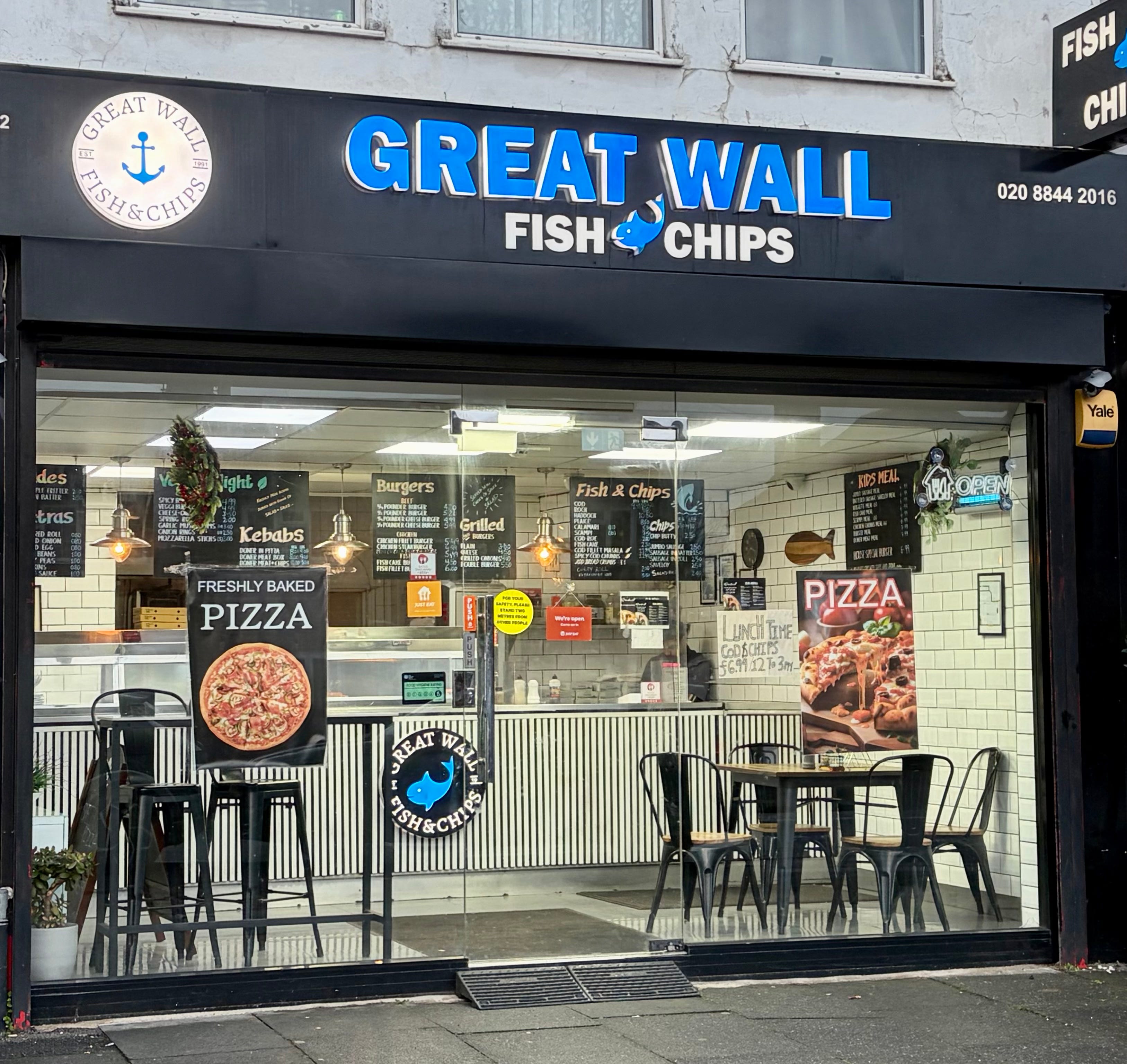
Speaking of flexibility: There is a lot going on here. (I’m referring to the picture below.) “Great Wall” implies China. But then fish ’n’ chips? And also pizza?
As I said, a lot goin’ on:
Then we have Eastern European markets:
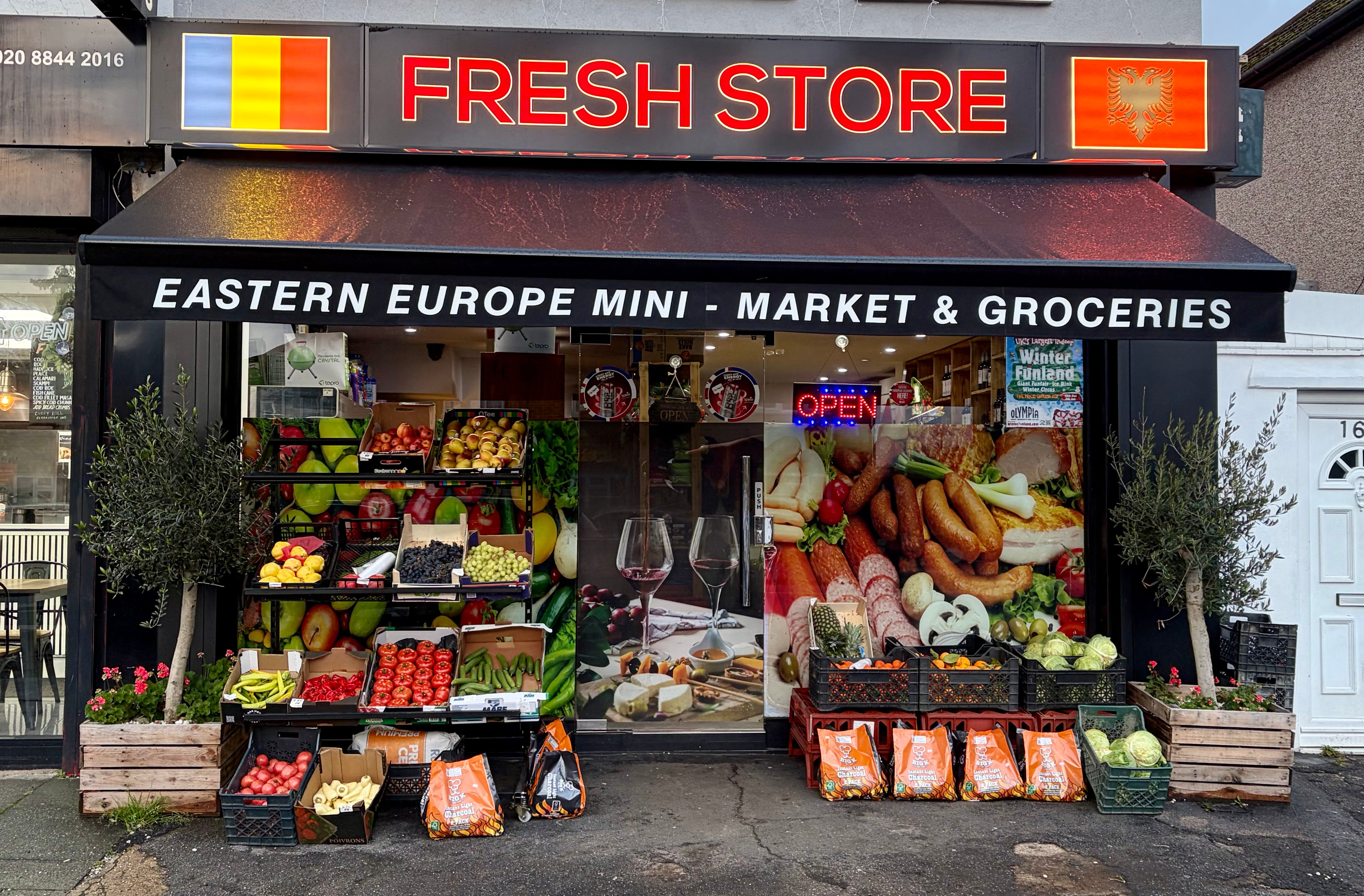
Have another:
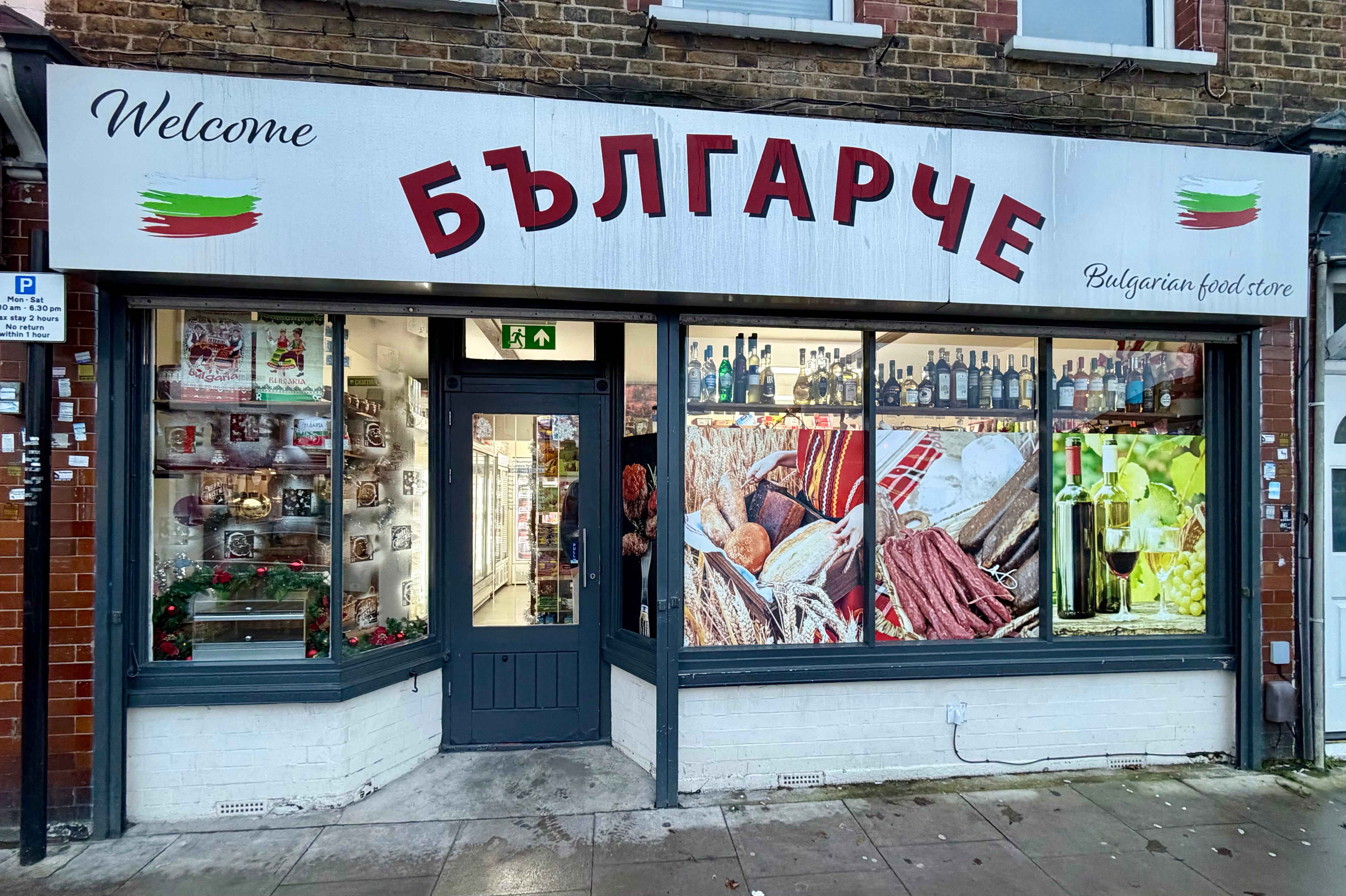
Specifically Bulgarian! When I looked at this store, I had a memory, from way back.
In the years following the collapse of the Soviet Union and the freeing of the Soviet bloc, I talked with many, many Eastern Europeans—in the fields of music, journalism, etc. I can tell you that Ostalgie was real.
Let me reconstruct what a Bulgarian once told me—a musician who was then about 30:
We would never want to go back to Communist rule. But it had its unintended good effects. All of us citizens were united against the government. We complained about it, to one another, every day. We had a sense of solidarity.
Also, there was no choice, in stores. There was one kind of toilet paper, when there was toilet paper. There was one kind of blue jeans, when there were blue jeans. We were all equal—equal in our poverty, or near-poverty.
When Communism ended, we had choice: political choices, market choices. Also inequalities. And our solidarity vanished. We started to bite at one another.
Makes sense. Very human.
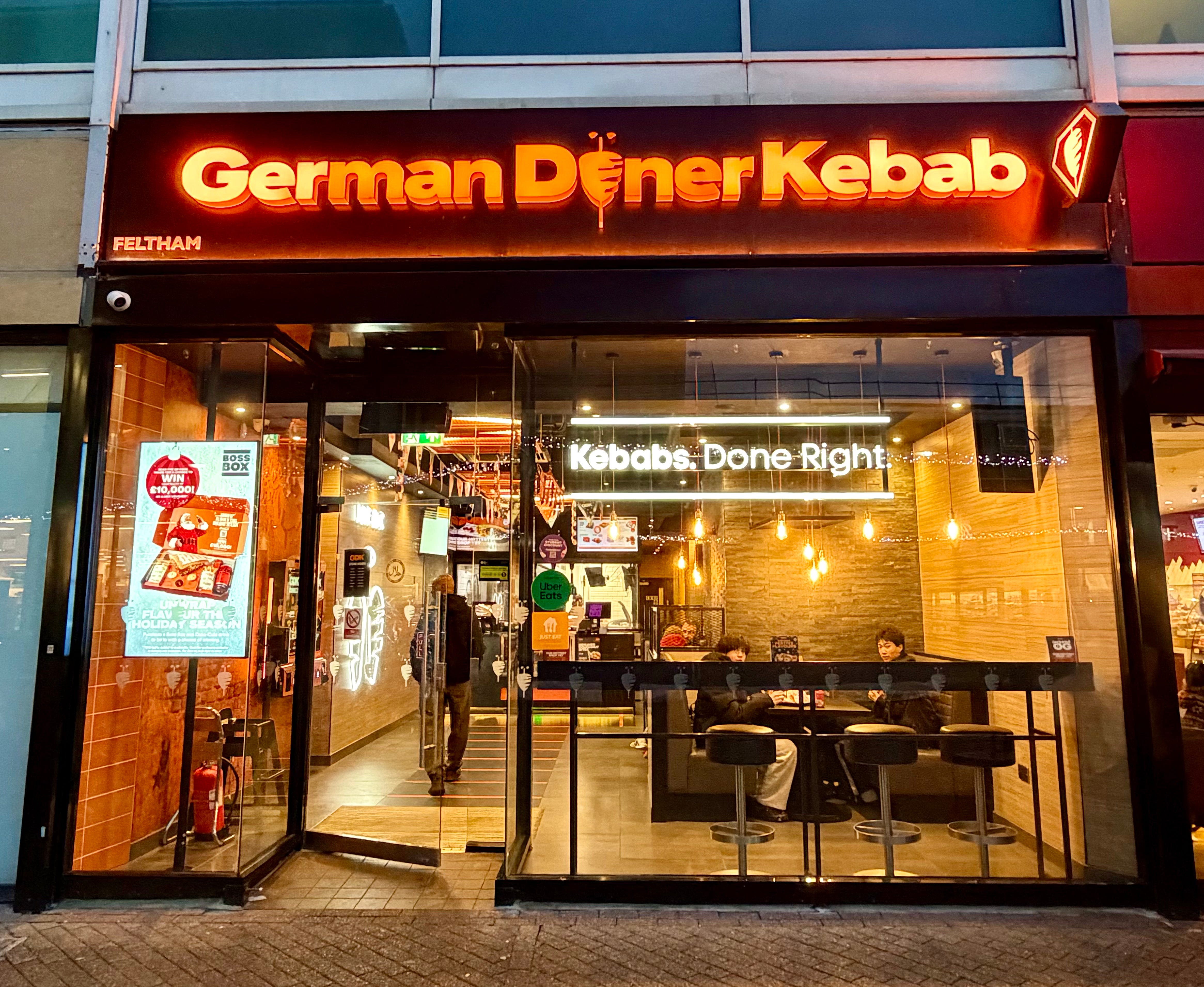
Here is another shop, in Greater London. It says something about the state of Europe, including the U.K. Is what it says good or bad, on balance? Oh, there are thousands of articles, and hundreds of books, about that. We’re just doing a little journal-like thing here ...
***
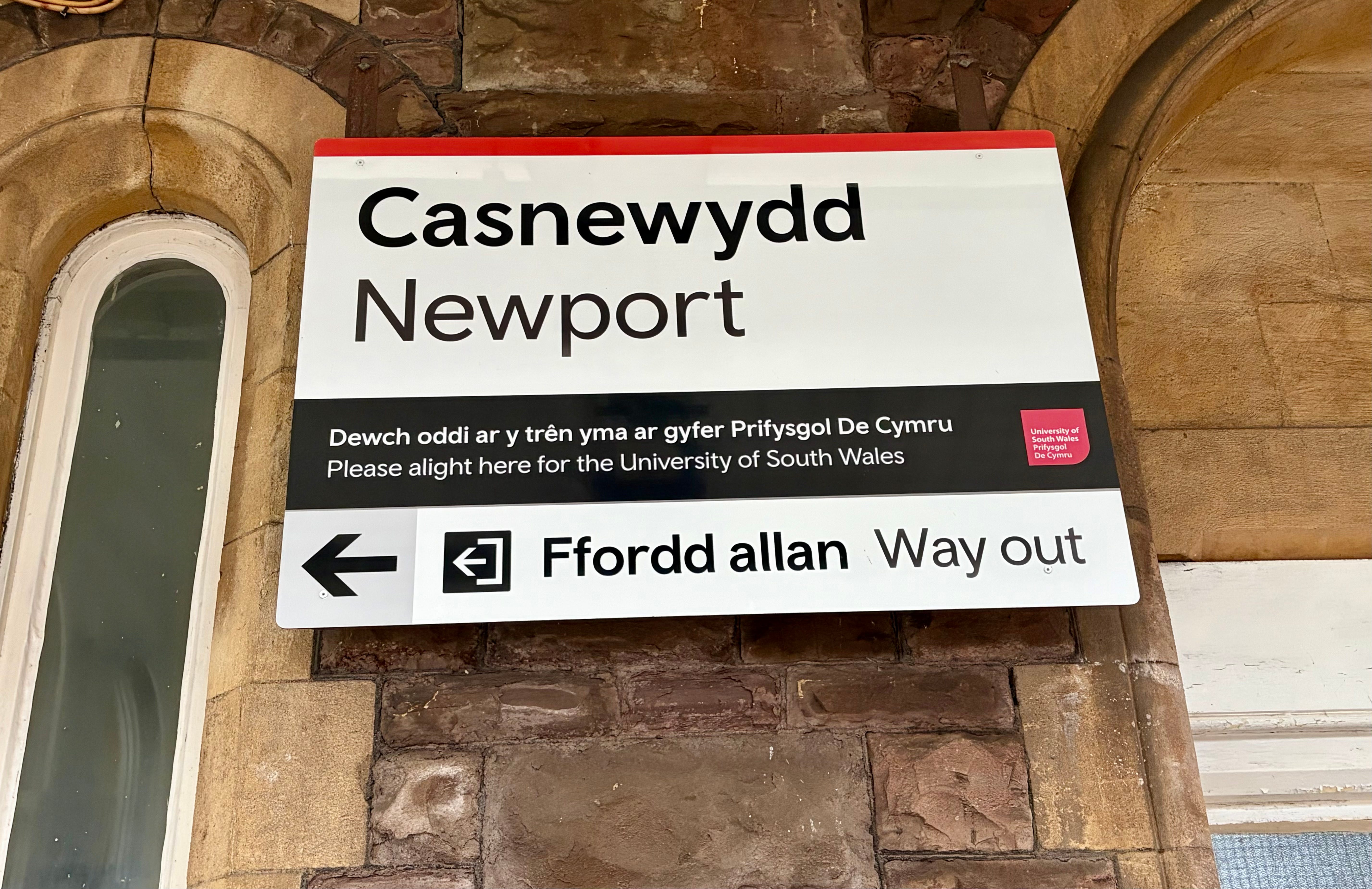
In Wales, the signs are bilingual (as in Quebec), and the Welsh language affords, among other things, lots of double-letters ...
I’ve showed you the following picture before—above my eulogy for David Pryce-Jones:
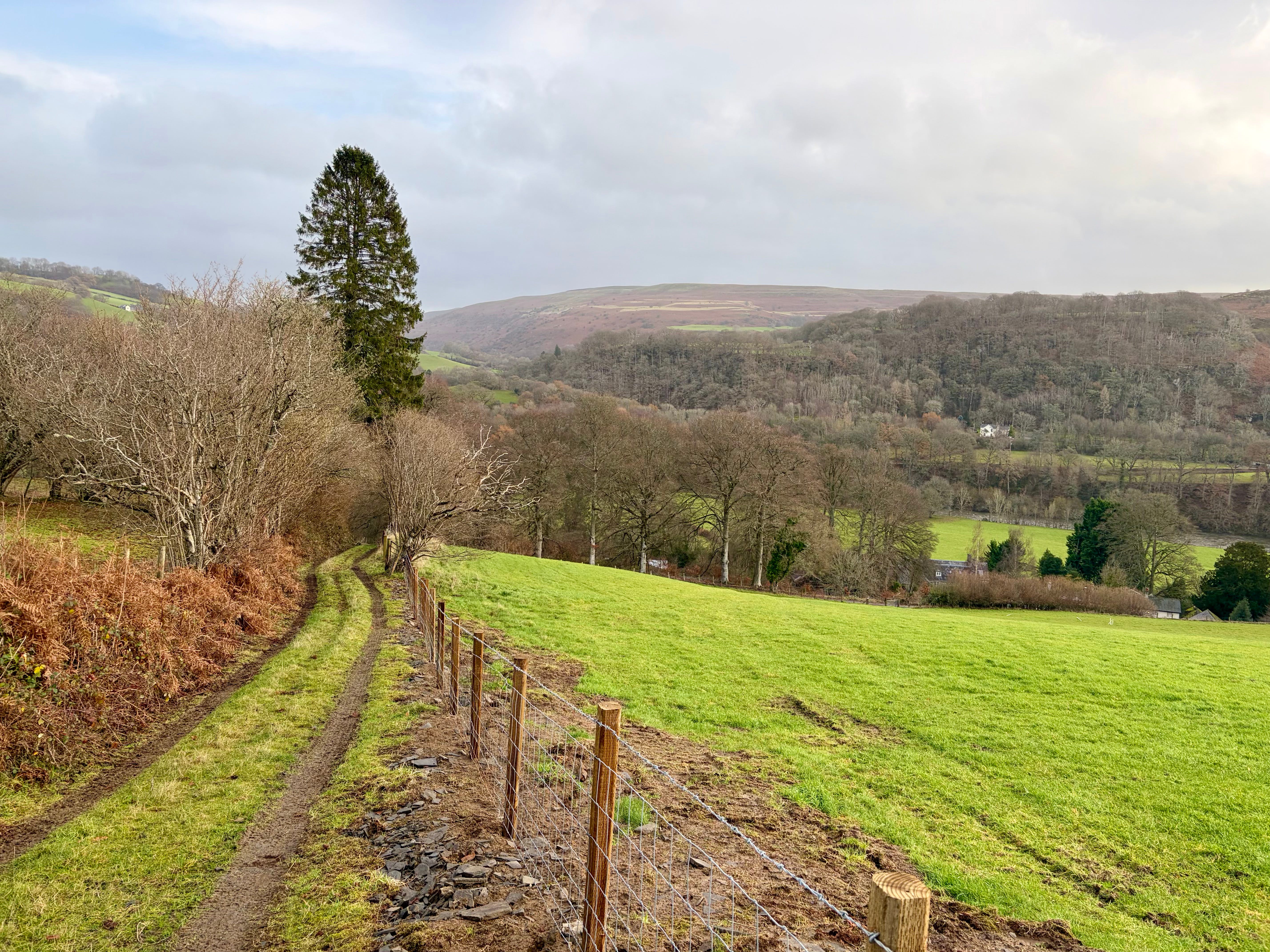
That scene is in Powys County (Wales), near the town of Builth Wells.
Another picture:
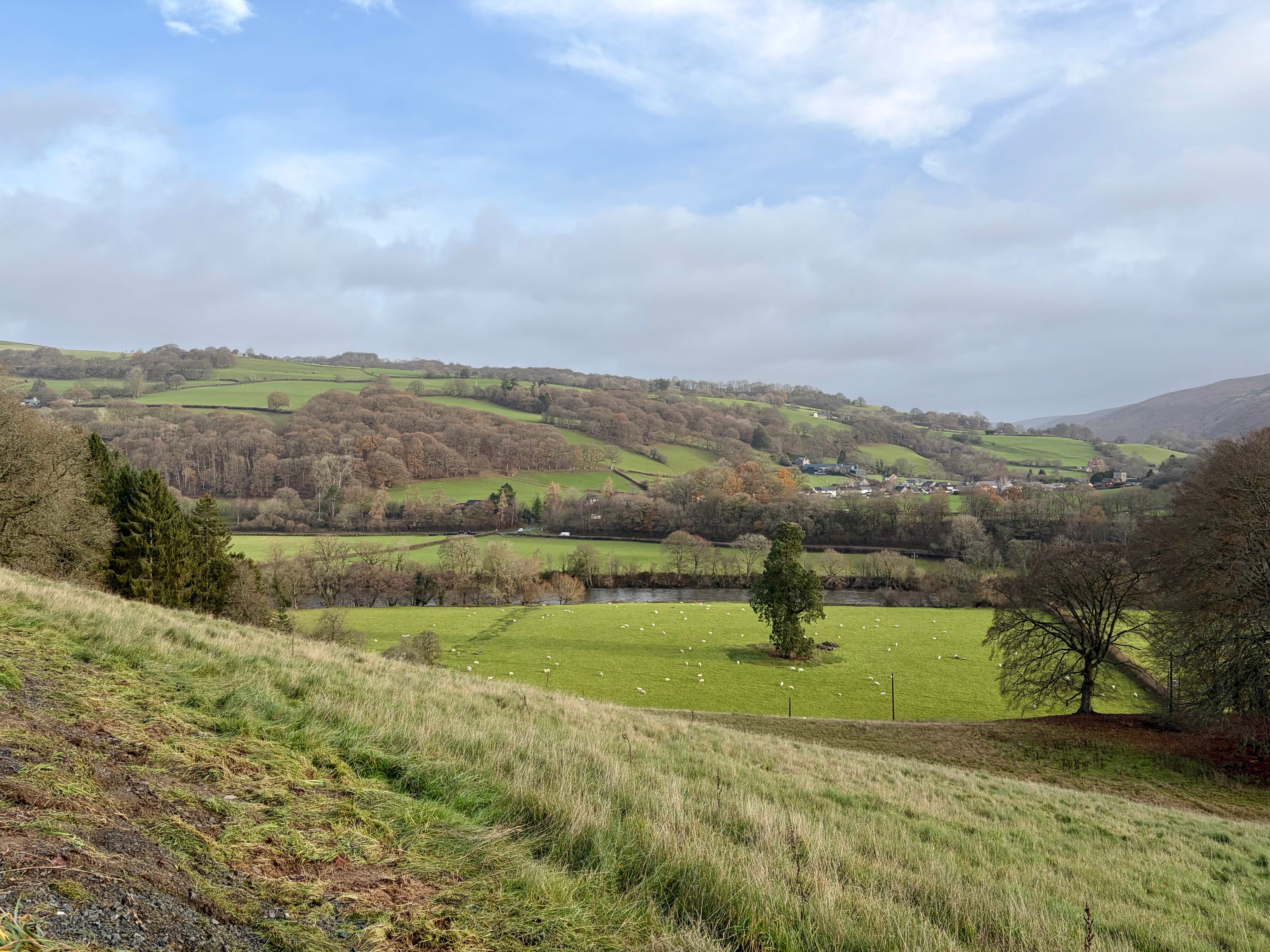
If you can make out white dots, on the field in the middle ground—they’re sheep.
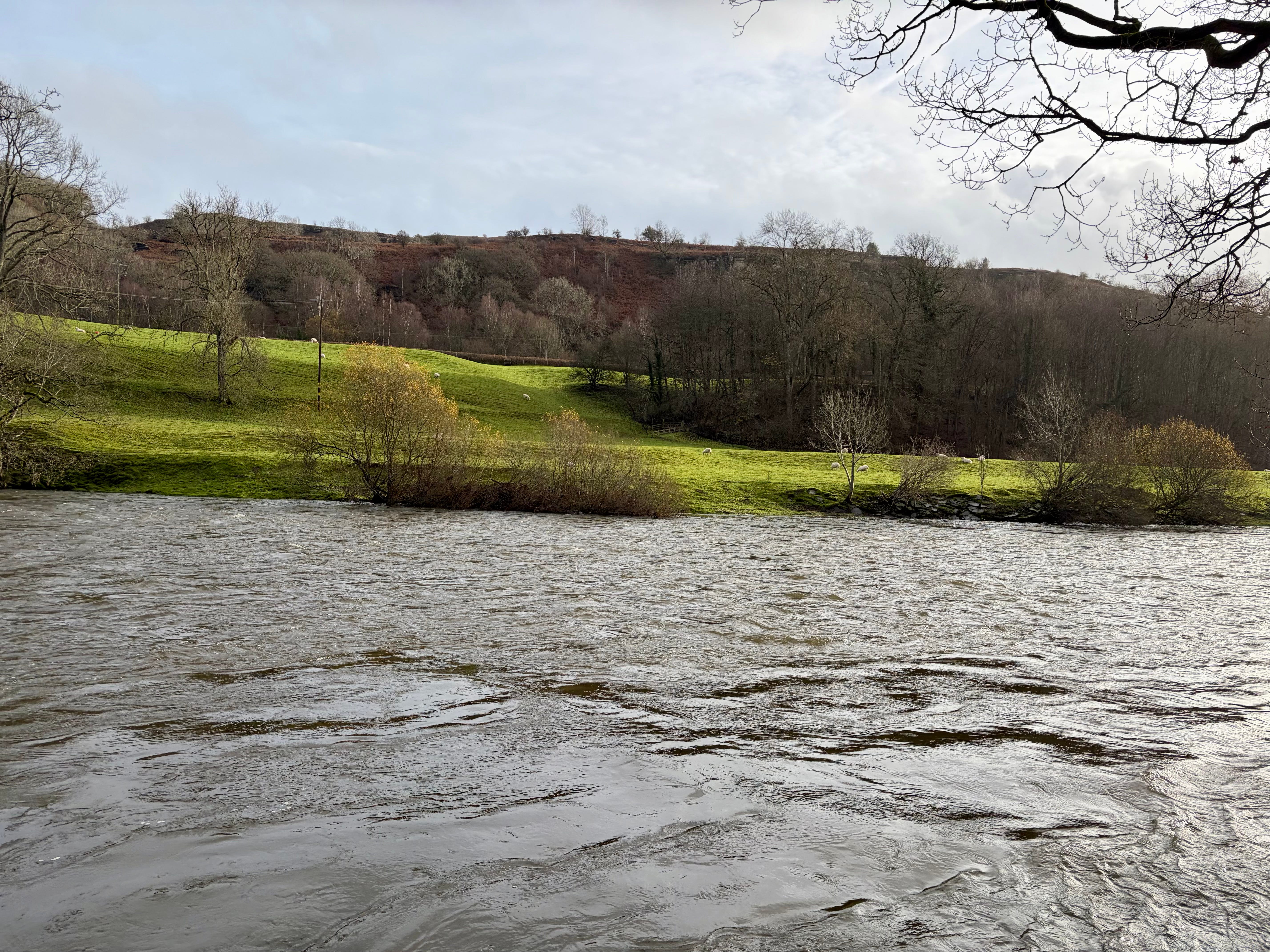
Here is the River Wye, rushing its [tush] off:
In my eulogy, I mentioned Abernant, which was the home of Clarissa Pryce-Jones’s parents. It is now a bed-and-breakfast. (Which is my phrase, not the owners’. I think they prefer something like “holiday home, to let.”)

Several miles away is Llangoed Hall, a hotel. Check out this funky Steinway in it:
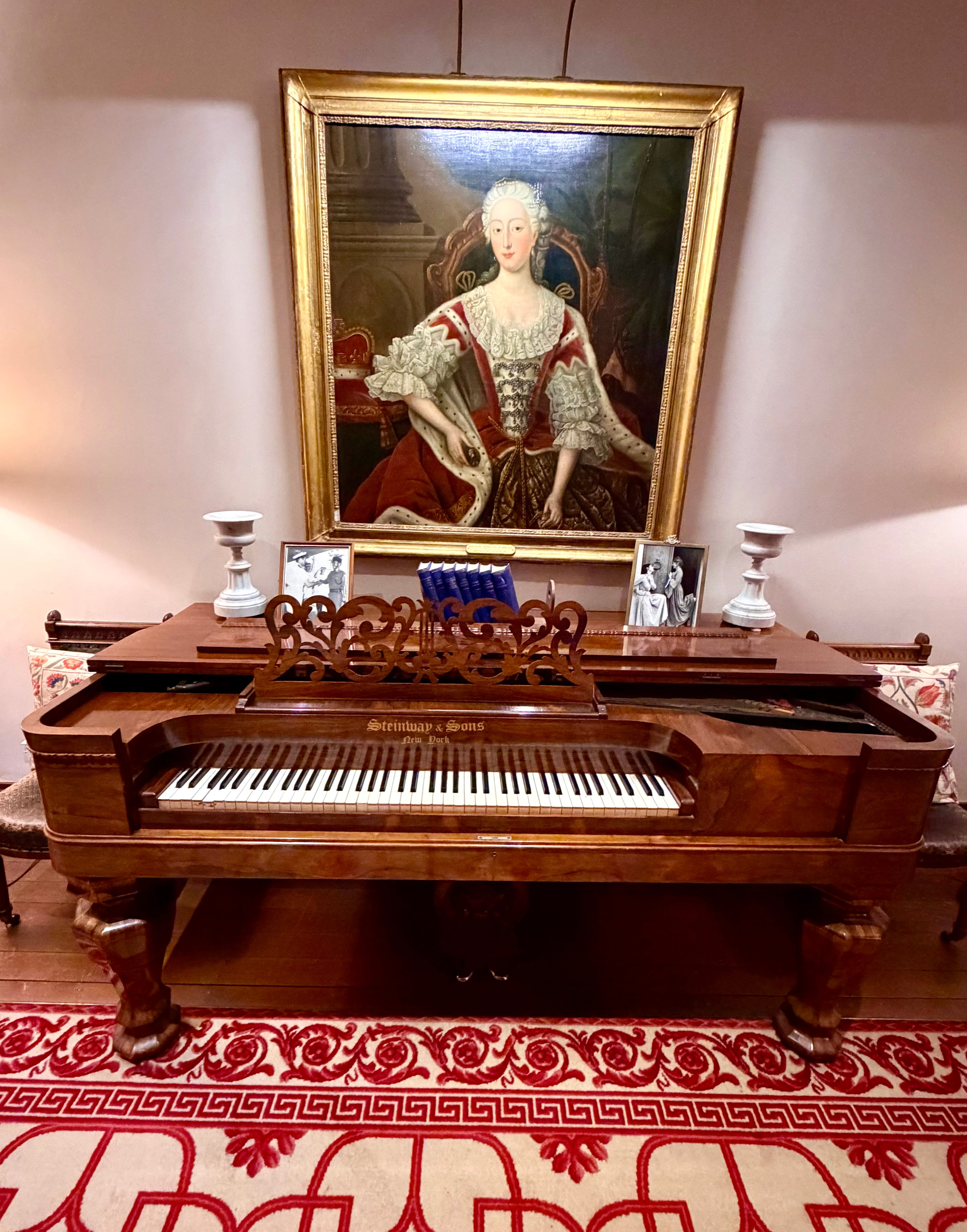
I had never seen an instrument like it.
***
Maybe have a little language? Above, I used the word “miles”: “several miles away.” In Wales, I heard some people say “mile,” for the plural: “several mile away”; “Cardiff and Swansea are about 45 mile apart.”
Before embarking on my travels, I heard a voice recital in New York. (Bear with me a second.) It was given by Kate Lindsey, the American mezzo-soprano, and Baptiste Trotignon, a pianist from France. They performed many songs by Kurt Weill, one of which is from Lost in the Stars, a musical whose book and lyrics are by Maxwell Anderson. The show is based on Cry, the Beloved Country, that canonical novel of South Africa, written by Alan Paton in the 1940s.
Listen to some words from the Weill-Anderson song “Big Mole”:
He promised his mother a well in the town
And he brought boiling water from a thousand feet down.
Down, down, down, down.
Three mile, four mile, five mile down.
He can go through rock, he can go through coal ...
Huh.
Incidentally, I grew up hearing “pair” in the plural, from some people: “three pair of socks.” Sounds normal, natural, to me.
One more language item: In Llangoed Hall, I spoke with a native Welsh-speaker—spoke with her in English, of course. She gave me a little help with Welsh pronunciation. One tip, on a particular sound, was: “Think of a snake with a lisp.”
***
Maybe jump to Washington now? Washington, D.C., not the Washington with the Space Needle? Here is a shot out my window, at dawn:
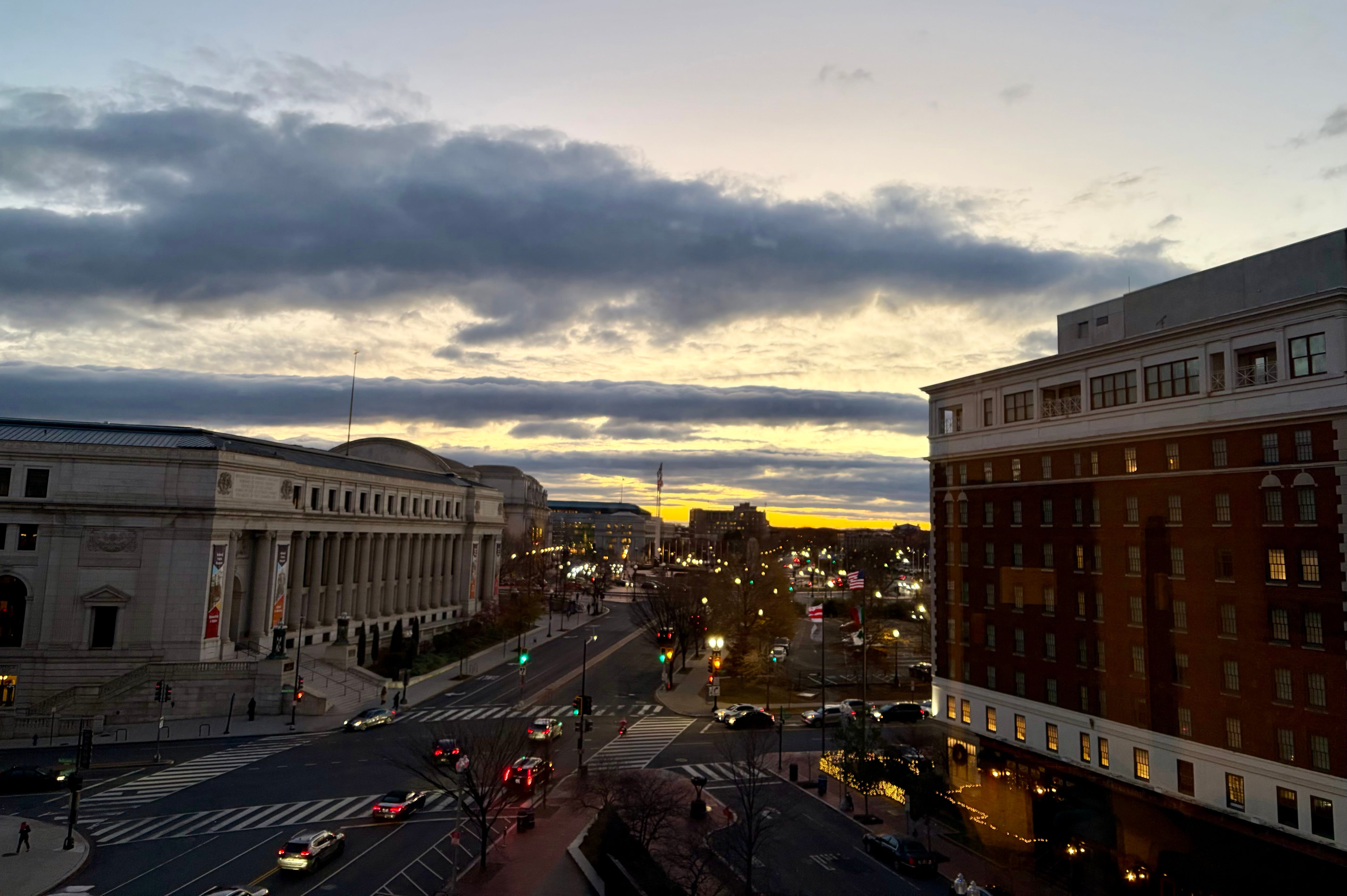
(That is the National Postal Museum, at left.)
***
While in D.C., I hit the Corner Bakery, as I have since the ’90s. The most delicious croissants. But they are an interesting shape: round. Like a round bun.
And what does the word “croissant” mean? “Crescent.” So are these delicious, round croissants really croissants anymore?
I recall a discussion at The Weekly Standard, c. 1996. We had some French-speakers in the office—including the two managing editors, Claudia Anderson and Richard Starr. Claudia had done much of her growing up in Paris; Richard had majored in French, as I recall.
The question was, “How should we pronounce ‘croissant,’ when speaking everyday English?” Richard cut the Gordian knot by saying: “I think we should say ‘crescent roll.’”
***
Here is a memorial to the victims of the Holodomor, the Kremlin’s “terror-famine” against the Ukrainians (1932–33):
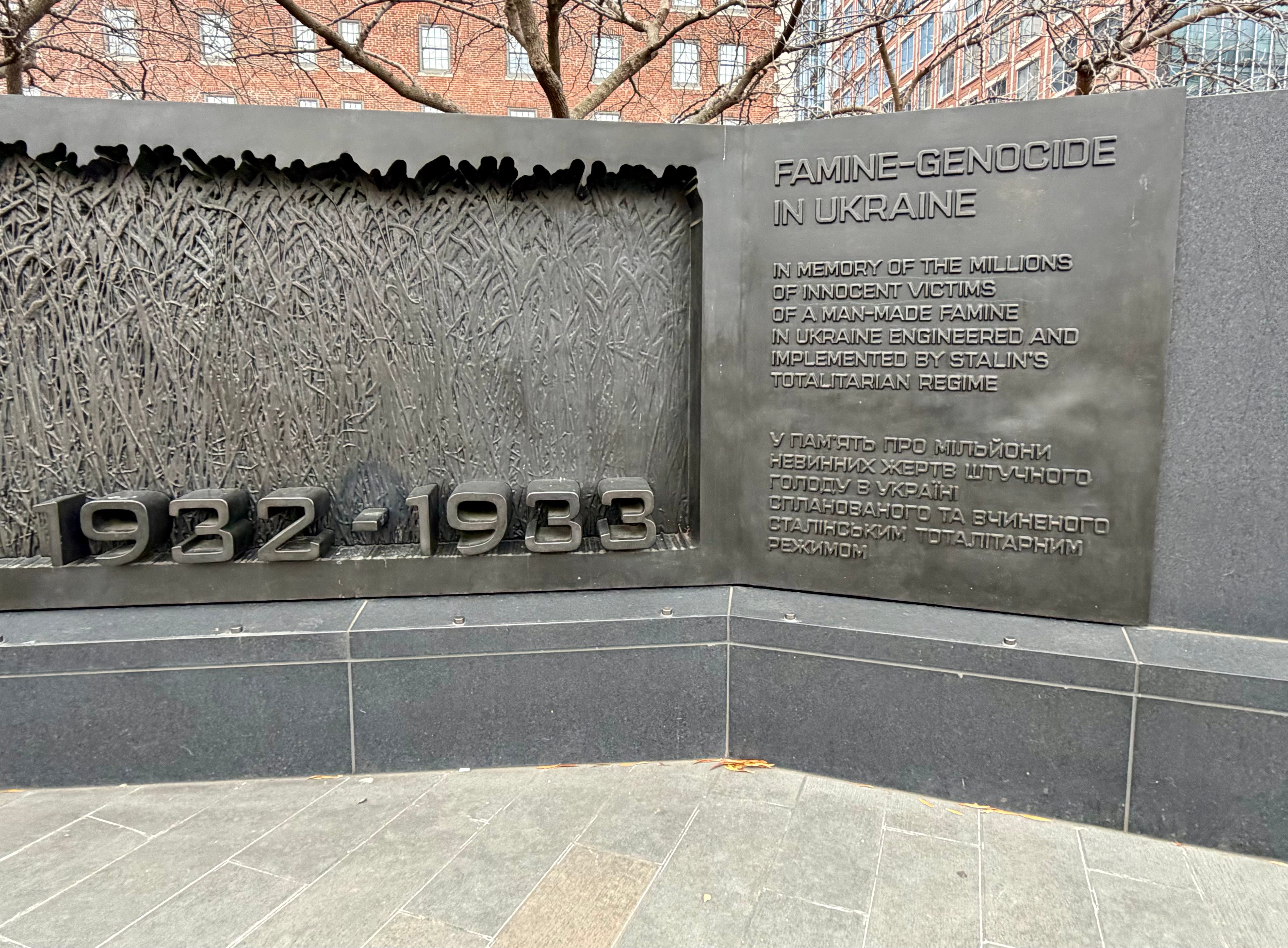
The thought occurred to me: “I’d rather help them now than build another memorial later.”
***
Back in New York, I attended The New Criterion’s annual Christmas party. (I have been writing about music for the magazine since the ’90s.) On my way out, I tipped my hat to Hilton Kramer, one of the founders of TNC: what a gent, what a pen.
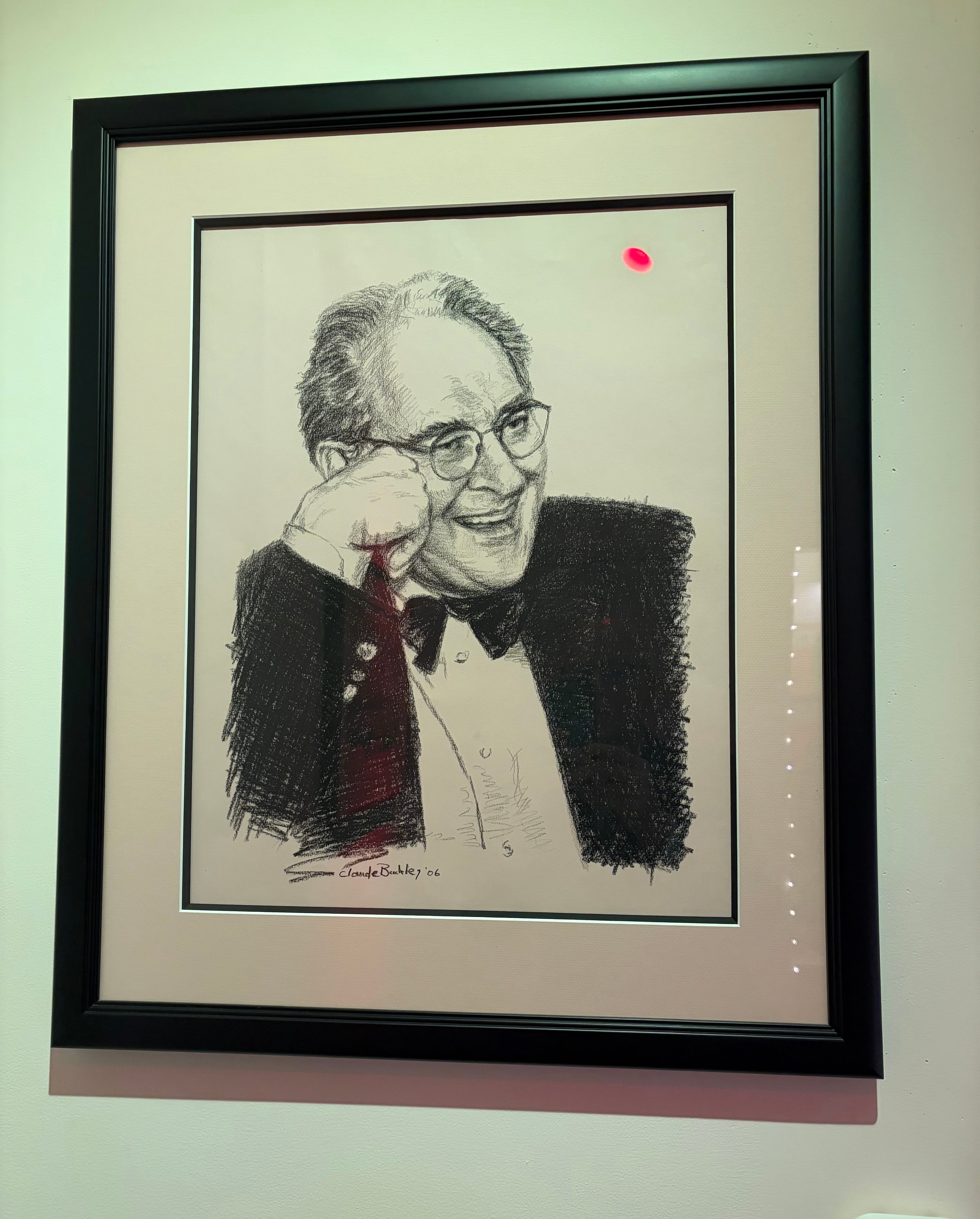
(How to explain the pink mark in the upper right? I think this is a reflection from a nearby Exit sign ...)
***
A night shot of the city—and bear in mind that night begins at like 5 p.m. this month ...

Central Park, encased (attractively and harmoniously so):

***
Let me give you a vignette from the post office—an extraordinary one.
I’m second in line. There are two postal clerks to the left of the line, serving customers. One of the clerks is a woman, the other is a man. I’ll give them names: to make the telling easier. Let’s call them Margaret and Bo.
Margaret is serving an older woman, whom I’ll call Nancy. As Nancy is leaving, she says to Bo, “I love you,” and he says, “I love you back.”
Now it’s the turn of the man in front of me. He goes to Margaret, who is now available. On the way, he gives Bo a fist-bump and says, “What’s goin’ on, OG?” (which is short for “Original Gangster,” a term of affection, certainly as used here).
Soon it’s my turn. Bo is available. I say, “It seems like everyone knows you. First it’s ‘I love you’ and ‘I love you back.’ Then it’s a fist-bump.” He smiles. I continue, ‘I don’t expect to hear ‘I love you’ and ‘I love you back’ in the post office.” Bo says, “I guess that’s true!”
I then say, “I’ll take a fist-bump myself,” which he freely gives. As I part—having bought my Christmas stamps—he offers another fist-bump, saying, “Take one for the road.”
"Three mile, four mile, five mile down."
Sounds to me like "Day-O (The Banana Boat Song)."
"Six foot, seven foot, eight foot bunch."
My most recent encounter with a postal worker was also pleasurable (no "I love you" or fist bumps, however). The postal clerk noticed the address on a package I was mailing and commented that she was familiar with the town, having grown up in a reasonably close area of the same state. Our brief trip down memory lane to places we both knew brought smiles to our faces without being too annoying to the customers in line behind me. It was much more pleasant than merely exchanging perfunctory greetings like we were at a Chick-fil-A.